Look Upon You Savior
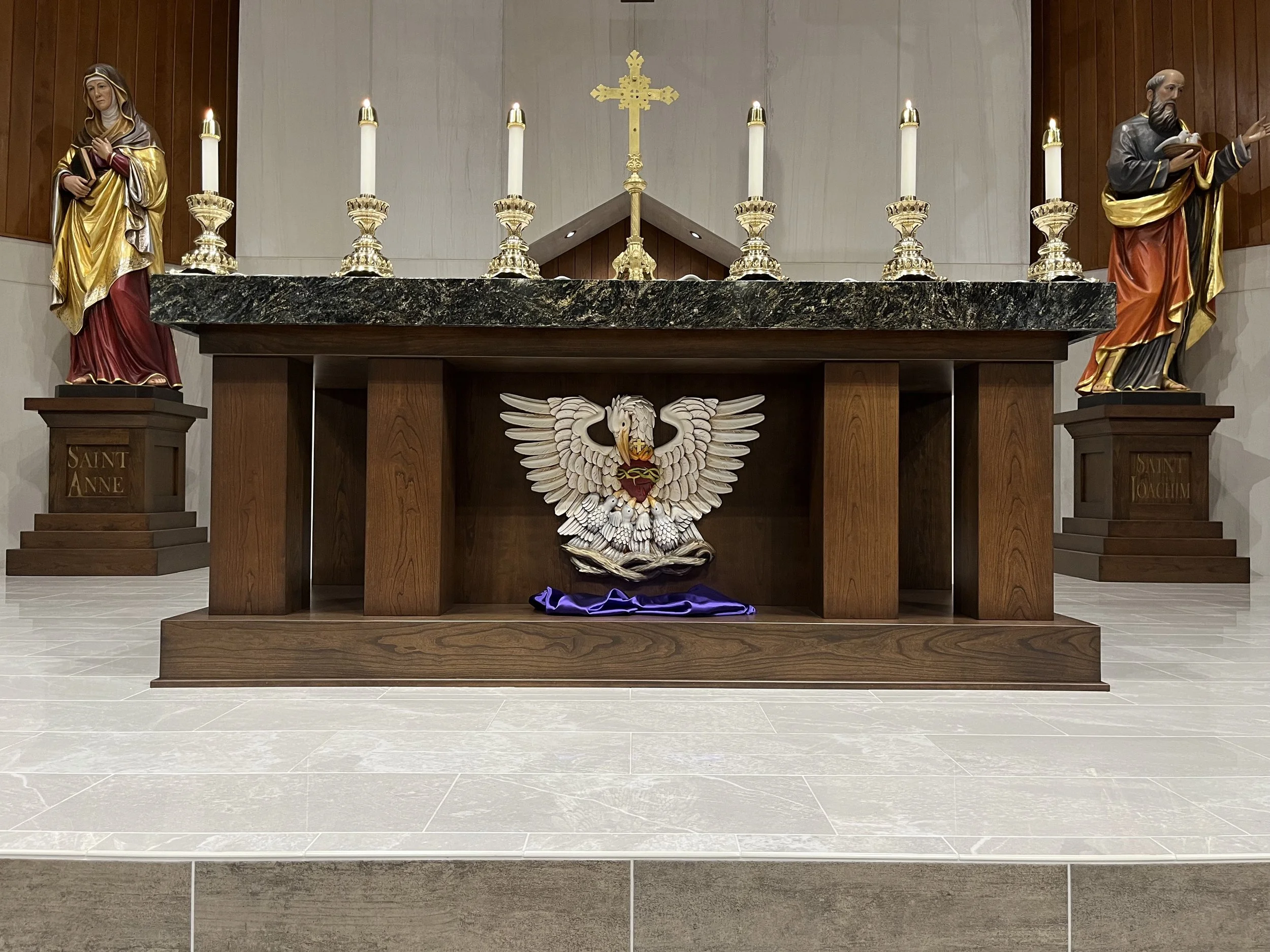
Altar piece with Pelican feeding her young
This past Sunday we followed Nicodemus into the night — a serious, devout man who sensed there had to be more. And our Lord, the true Spiritual Master, gave him (and us) three invitations:
Seek the Kingdom.
Be born from above.
Look to the Son.
Jesus reached back to Numbers 21 to explain what this new birth looks like. The people of Israel were snake-bit — venom spreading, death certain. God did not give them a program or a technique. He gave them something to look at:
“Make a fiery serpent and set it on a pole… and everyone who is bitten, when he sees it, shall live.”
Look and live.
And Jesus says to Nicodemus: That story is about Me. “As Moses lifted up the serpent in the wilderness, so must the Son of Man be lifted up.”
In an age marked by spiritual exhaustion and burnout, we desperately need to hear this again: spiritual life does not come from trying harder. It comes from being born from above. It comes from looking in faith to the One who was lifted up for our healing. If you are feeling spiritually tired, pause each day this week and simply look to Christ — crucified for you. Look upon the One who hung on the tree of Calvary for your rescue, forgiveness, and life. You do not add to what He has done. You receive it. What rest and peace this can give us!
And this past Sunday, we didn’t just hear about that love, we also received it.
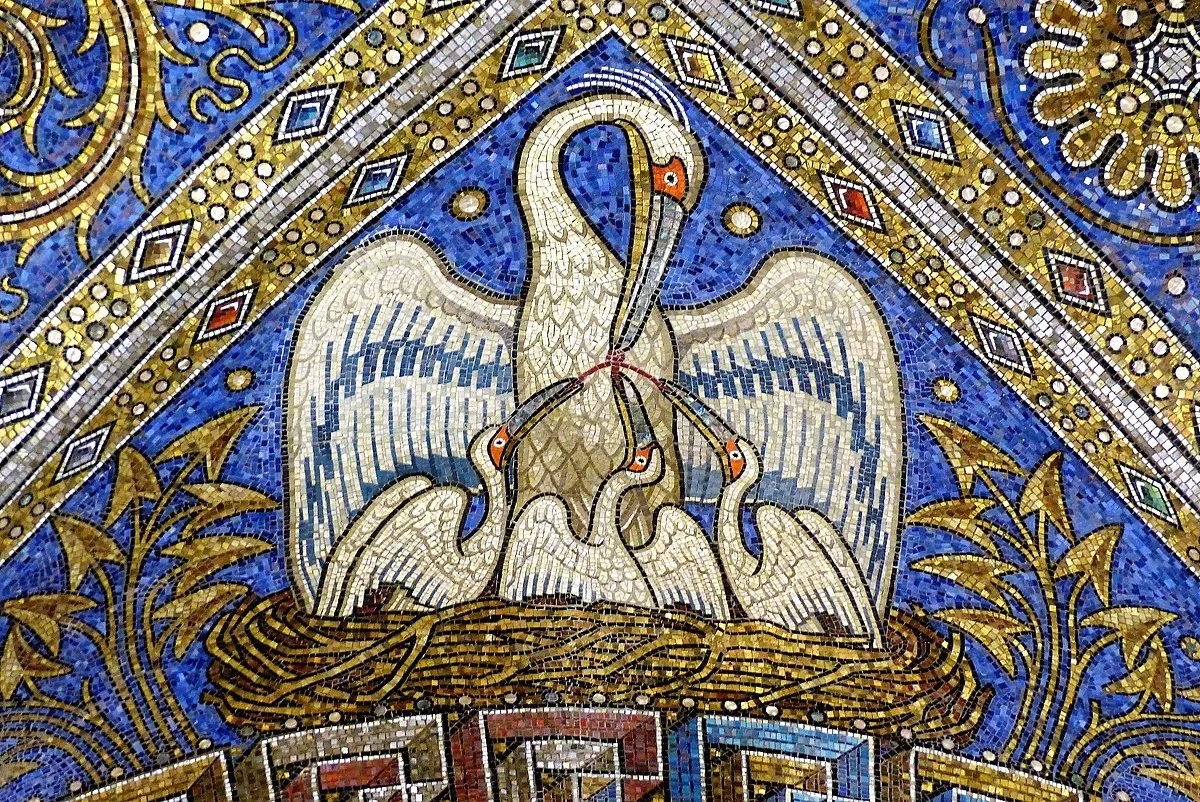
A Mother Pelican Feeding Her Young
From the early centuries of the Church comes a beautiful image: the mother pelican, who was said to feed her young from her own breast. Whether legend or not, Christians saw in that image a reflection of Christ giving Himself for His children.
In the Holy Supper, our Lord feeds His Church with His own Body and Blood for our life and strength. Unlike the pelican of legend, Christ gave His life once unto death and rose again — and now He gives Himself to us without harm, endlessly, graciously, joyfully.
As you remember partaking of the Holy Supper this past Sunday, remember what He was saying to you:
“I forgive you.”
“I am with you.”
“I give you life.”
“You belong to Me.”
Why do we pray it the Kyrie?
The Kyrie—“Lord, have mercy”—is one of the Church’s oldest prayers and one we pray each week. But why? Because like Nicodemus, like Israel in the wilderness, like Abraham leaving Ur—we come as seekers who cannot save ourselves. The Kyrie is the simple cry of faith: we look to Christ and ask for His mercy. And notice when we pray it: after Confession and Absolution. We come already forgiven. This is not the desperate plea of outsiders trying to earn acceptance. It is the prayer of the redeemed—children calling upon their Father. Again and again in the Gospels, people cry out, “Lord, have mercy.” In the Kyrie, we join that same cry—lifting our eyes to the One who was lifted up for us, trusting that His mercy is enough. When we pray this, don't think of graveling before God, but rather as an honest cry from your heart in which you are throwing yourself on your Father!
So this week: Release your “Ur.” Lift your eyes. Look upon your Savior. And rest in His salvation.
In Christ,
Pastor Matthew